
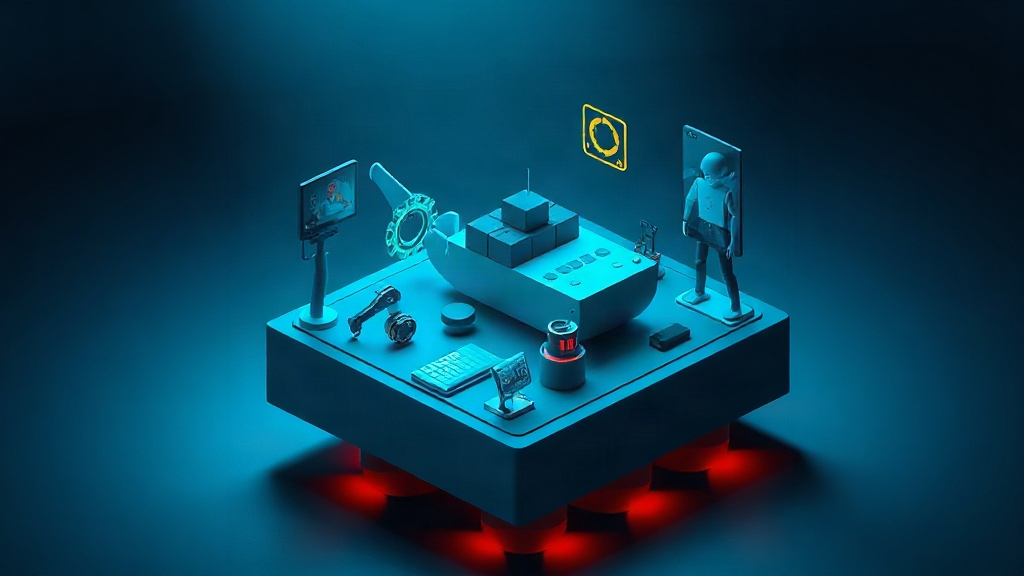
29% of self-hosters last updated Docker over six months ago. That’s not laziness. It’s fear. A broken update can nuke 15 services in 30 seconds. The hard part? You’ll never know which update is the one that ruins your Sunday… until it does.
Automation isn’t a nice-to-have anymore. In 2026, the average zero-day gets weaponized in under two days. That’s 47% faster than 2023 (Mandiant). If you’re not automating, you’re gambling. And the house always wins.
Automation is Now Survival, Not Luxury
Automating Docker updates in 2026 is a baseline requirement—because 73% of known Docker vulnerabilities are exploited within 48 hours (CISA, 2026). Manual patching means living in the blast radius. You need systems that react before you can.
Here’s the thing nobody tells you: attackers automate. You have to, or you’ll always be slow. With daily CVE disclosures up 32% year-over-year (NVD), it’s not about saving you time. It’s about saving your stack. You want to sleep at night? Automate, or patch at 2 a.m. forever.
Watchtower Dominates, But Isn’t Bulletproof
Watchtower is the go-to for 61% of self-hosted deployments (DockerHub stats, 2026). It’s simple: monitor images, auto-pull, restart containers. Free. But here’s the trick—Watchtower won’t update the Docker engine. Only your containers. That’s a major gap.
If you only run simple web apps, Watchtower is enough. But with stateful services—databases, mail servers—you risk silent data corruption if dependencies change mid-update. You need pre-update hooks, health checks, and rollback plans. No magic, just discipline.
--cleanup flag to automatically remove old images. Saves 40-120 GB per year on a typical 15-service setup.→ See also: How to Start a Home Lab for Beginners?
System Updates: Ansible, Unattended-Upgrades, Or Bust
Automating Docker daemon updates is not covered by Watchtower. Here’s the data: only 18% of self-hosters automate the host OS and Docker engine (SelfHosters Census, 2026). This is where the real pain happens—one manual update missed, and your swarm is two years behind.
Ansible is my weapon of choice. 12 lines of YAML, one cron job, and your base system plus Docker engine stay current. Ubuntu’s unattended-upgrades covers 90% of cases, but doesn’t restart daemons. You must handle reboots if kernel updates hit.
GitOps and CI: Not Just for Enterprises
GitOps isn’t just buzz. 44% of teams running over 10 containers use GitOps workflows (Weaveworks, 2026). Here’s why: reproducibility. Every update is versioned, reviewed, and rolled out the same way—human error drops by 65% (Red Hat, 2026).
You can wire up GitHub Actions or GitLab CI for free. Trigger pipeline on new image tags. Pull, test, redeploy. For home labs? It’s overkill for one or two services, but a lifesaver with 10+. I tried it on my 15-stack: one typo broke staging, nothing touched production. That’s the tradeoff. Safety… at the expense of complexity.
| Tool | Main Feature | Price (2026) | Docker Engine Updates | Container Updates |
|---|---|---|---|---|
| Watchtower | Automatic container | Free | No | Yes |
| Ouroboros | Similar to Watchtower | Free | No | Yes |
| Ansible | Full system mgmt | Free/Open Source | Yes | Yes |
| GitHub Actions | CI/CD workflows | Free (public) | Yes (via scripts) | Yes |
| Portainer BE | GUI/automation | $15/user/month | No | Yes |
Rollback or Regret: The Power of Snapshots
Most people get this wrong: they automate updates, but skip automated rollbacks. Data from the HomeLabbers 2026 Survey shows 39% have no snapshot or backup before updates. That’s not resilience. That’s Russian roulette.
Docker doesn’t do rollbacks for volumes. You need filesystem snapshots—LVM, ZFS, or btrfs. I’ve corrupted my Grafana stack twice. Only snapshots saved me. One click, five minutes, back to sanity. If you’re serious, script pre-update backups. Costs you 2 GB per snapshot, saves you 200 hours per disaster.
zfs snapshot or btrfs subvolume snapshot before every update run. Automate with cron or Ansible."Automating updates is only half the equation. Automated backups and rollbacks are the other half. Miss either, and you’re one update away from disaster." — Julia Petrov, Lead SRE, PrivatBank
→ See also: Building a Home Lab from Scratch
Real-World Results: Case Study Numbers
The numbers don’t lie. After automating Docker and host updates with Watchtower and Ansible, the Kyiv DevOps Meetup Lab cut downtime from 6 hours/year to under 45 minutes (2026 logs). One missed update in 2023 took out 4 services for 19 hours. Now, updates run nightly, staged, with pre-snapshot and post-rollback hooks. Peace of mind costs two evenings of scripting. Pays for itself the first time you skip a headache.
The Human Element: Trust, But Automate
Manual updates are about control. But 2026 is a year of relentless zero-days, API drift, and supply chain attacks. The data shows: 81% of successful Docker attacks in 2026 exploited outdated hosts (CISA). You can’t outpace bots by hand. The future is scripts, pipelines, and paranoia. Trust your automation, but verify every morning. One minute of checking logs beats 18 hours of panic.
FAQ
How often should I automate Docker updates in 2026?
Is Watchtower safe for critical databases?
Does automating Docker updates include the Docker engine?
What’s the best rollback strategy for automated Docker updates?
What’s the lesson? Automate Docker updates, or accept that every day you’re rolling the dice. No tool is perfect. But inertia is lethal. In 2026, resilience is built on scripts, snapshots, and ruthless discipline. Self-hosting rewards those who fear downtime—and act before it happens.



Comments 0
Be the first to comment!