

Most people think running a home server will rack up their electric bill. But a mini PC like the Intel N100 draws just 10–15W at idle, compared to 120–200W for a typical old tower server. speedtesthq.com
The Resurgence: Why Building a Homelab Matters in 2026
Dissatisfaction with subscription bloat and diminishing digital media ownership is fueling a new wave of homelab builders. With personal data privacy concerns stacked on top, the question of why build a homelab has become urgent for anyone frustrated with rented software. techradar.com
Cost Savings Make a Homelab a Financial No-Brainer
A homelab can eliminate recurring costs by replacing cloud subscriptions like Google Drive, Notion, Spotify, and Plex with self-hosted solutions. localairun.com Each service you self-host is one less monthly bill and one less company profiting from your data. Refurbished mini PCs and off-lease enterprise servers offer a low-cost entry point, making the myth of high startup costs obsolete. speedtesthq.com
Home labs don’t need to be built from scratch with new gear. Most users start with equipment already on hand or sourced secondhand. The cost avoidance is real, but the real satisfaction comes from knowing your money is buying you control, not another license.
A Homelab Is a Real-World IT Classroom
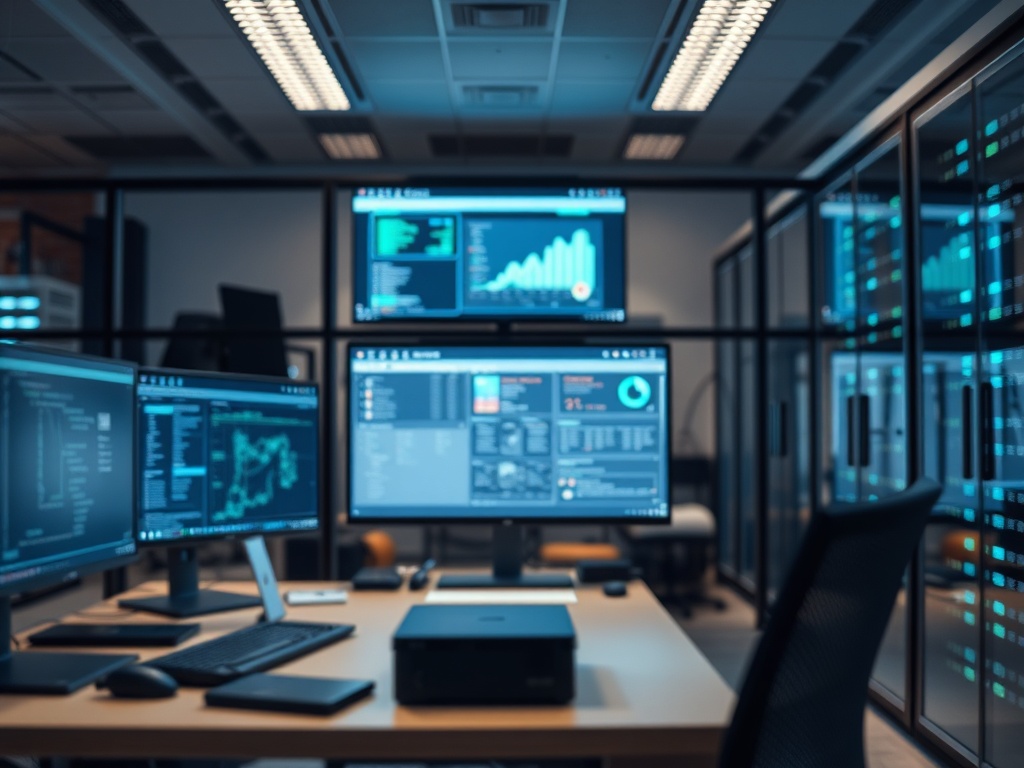
Hands-on skills can’t be learned from YouTube alone. "A homelab is a personal collection of computers, network gear, and storage hardware that you run at home to learn IT skills, self-host applications, and experiment with technologies you cannot safely break in a work environment." speedtesthq.com Linux administration, networking, virtualization, containers—the list of skills you can experiment with is nearly endless. localairun.com
It’s one thing to read about Docker Compose. It’s another to have your applications break on a Saturday night and have no one to blame but yourself. That’s where real learning happens. You’ll notice that this kind of failure makes you more employable, not less. Employers want people who’ve gone through the fire—especially those who’ve rebuilt their services at 2AM.
→ See also: How to Start a Home Lab for Beginners?
Data Privacy and Digital Sovereignty Are Now Personal
Most people get this wrong: It’s not just about keeping your photos out of the cloud. Hosting your own services means you’re not at the mercy of privacy policy changes, data mining, or silent account bans. Every file you store and every service you run is under your direct control. localairun.com
It’s easy to underestimate how quickly access to your data can disappear when a service sunsets or changes terms. This is what actually works. Not the fluffy advice you see everywhere. The practical result is that your personal data is yours, not a data point in someone else’s quarterly report. If you value digital autonomy, there’s nothing else like it.

Hardware Accessibility: You Don’t Need Enterprise Gear
The data shows that refurbished mini PCs, Raspberry Pi 4, or off-lease servers are more than enough to start. speedtesthq.com virtual-pc.com You don’t need a rack of enterprise servers humming in your closet. In fact, the Intel N100 mini PC and Beelink EQ12 are both specifically cited as ideal entry points. speedtesthq.com
Here’s the thing nobody tells you: Many of the most successful homelab builders started with discarded office PCs or an old laptop. The real barrier isn’t the hardware; it’s the willingness to start small and build up. That’s the only way to discover what you actually want to run—and what you’re willing to maintain.
| Device | Typical Use | Idle Power Draw |
|---|---|---|
| Raspberry Pi 4 | Lightweight apps, small NAS | ~3–4W |
| Intel N100 Mini PC | General-purpose server | 10–15W |
| Beelink EQ12 | Media server, smart home | Similar to N100 |
| Refurbished Tower Server | Virtualization, heavy loads | 120–200W |
Energy Consumption: The Double-Edged Sword
Energy use is a real concern—mini PCs like the Intel N100 draw 10–15W at idle, but old tower servers can pull 120–200W. speedtesthq.com The debate is ongoing: does the flexibility and control of a homelab outweigh the long-term energy cost? techradar.com
Repurposing old hardware, rather than buying new, keeps e-waste out of landfills. techradar.com But if you're running a power-hungry server 24/7, those savings can be eaten by your electric bill. The actionable lesson: if you care about both your wallet and the planet, start with energy-efficient hardware and right-size your homelab for what you actually use.
→ See also: Building a Home Lab from Scratch
Modern Software Lowers the Barrier for Everyone
Modern operating systems like TrueNAS and Home Assistant have replaced much of the old command-line pain with friendly web interfaces and bundled app stores. techradar.com You don’t need to be a sysadmin to get started. This is the best time in history to self-host.
"Home server OS have provided an accessible way to explore the concept of running enterprise-grade storage solutions without requiring significant upfront investment in hardware." — Kris Moore, CTO at TrueNAS (techradar.com)
If you remember the days of compiling drivers by hand, you’ll appreciate how much has changed. You can now deploy a NAS, a media server, or a smart home hub in an afternoon. The only thing stopping you is the belief that it’s too hard. That belief is officially outdated.
Community and Support: No One Builds Alone
Online communities have exploded around homelab building. techradar.com If you run into a problem, you’re rarely more than a post or a search away from an answer. Whether it’s a Discord channel, a classic forum, or a subreddit, there’s a place for every level of skill and every flavor of ambition.
The only people who get stuck are the ones who never ask for help. You’ll find that even the most advanced users remember how confusing their first install was. The culture is collaborative, not competitive.
Security and Maintenance: The Risks Are Real
Data stored on a homelab is still susceptible to hardware failure, software bugs, and human error. homelab-es.com Security is a double-edged sword: you’re not trusting a megacorp, but you are responsible for every update and backup. There is no support hotline. The upside: you get to learn real operational skills, the kind that pay dividends when things go sideways.
Regular maintenance—checking drives, updating software, testing restores—is nonnegotiable. The actionable takeaway is clear: set up automated backups on day one, not day ninety. If you wouldn’t trust a single hard drive with your only copy, don’t trust your homelab with it either.
→ See also: What Hardware Do I Need for a Home Lab
Environmental Impact: Homelabs as Sustainable Tech
Repurposing older hardware for homelabs contributes to reducing electronic waste. techradar.com Every server you keep out of a landfill by giving it a new life at home is a win for sustainability. The irony? The greener choice is often the more frugal one.
The tradeoff, of course, is energy use. But if you’re careful to use devices that sip power when idle—like the Intel N100 mini PC—you can keep your footprint small. If your goal is to reduce waste and reclaim control, a homelab is one of the few projects where individual effort actually moves the needle.
FAQ
Is building a homelab expensive?
Can a beginner build a homelab?
What hardware is best for a homelab in 2026?
Are homelabs environmentally friendly?
Why Build a Homelab? My 2026 Perspective
The reason to build a homelab hasn’t changed, but the urgency has. Subscription fatigue, data privacy, rising costs, and the need for real skills—these are no longer fringe concerns. They are everyday reality for anyone even a little tech-savvy. Building a homelab is no longer a hobby for tinkerers; it’s a practical act of digital self-defense. If you want to own your data, stop bleeding cash to every SaaS, and actually learn the guts of modern IT, there’s no better classroom than your own spare room. And if you’re still hesitating, ask yourself: what does it cost to not have control?
Sources
- techradar.com/computing/why-are-home-servers-trending-i-took-the-plunge-in-an-attempt…
- localairun.com/homelab/what-is-a-homelab
- speedtesthq.com/guides/homelab/what-is-a-homelab
- homelab-es.com/posts/ciclo-vida-hardware-homelab
- virtual-pc.com/what-is-a-homelab-a-beginners-explanation



Comments 0
Be the first to comment!